
Top Questions Every Parent Should Ask When Looking for a Summer Camp
Finding the right summer camp in the South Bay can feel like a full-time job. With so many programs, from sports and martial arts to STEAM, outdoor adventures, and creative learning, parents want to make sure they’re choosing a camp that is safe, enriching, fun, and aligned with their child’s needs.
As a parent and as someone who runs youth programs at Systems Training Center, I know firsthand what separates an amazing camp from one that falls short. Below are the most important questions parents should be asking before hitting “register.”
-
Routines give kids structure and comfort. When they know what to expect, they feel safe. Variety keeps them engaged. Ask camps to break down a sample schedule including:
Warm-ups and physical activity
Group games
Skill-building sessions
Creative/STEAM activities
Rest periods
Lunch + snack time
Closing activities
A great camp has structure and flexibility, enough predictability for safety, but plenty of variety so kids don’t get bored.
-
You’re trusting a camp with your child. You deserve to know exactly who is leading the groups.
Ask:
What certifications do staff hold (CPR, First Aid, education, coaching, etc.)?
What is their experience with children ages 5–12?
Are instructors background-checked?
Do they receive ongoing training?
At Systems Training Center, for example, instructors undergo continuous training in behavior management, communication, and child development, so parents know their kids are in qualified hands.
-
Safety is non-negotiable. Ask camps to outline:
Staff-to-student ratios
Pick-up and drop-off procedures
Injury/incident protocols
Facility safety checks
Emergency communication systems
Allergy or medical response plans
If a camp hesitates or answers vaguely, that’s a red flag.
-
Every child has moments of big emotions. What matters is how staff respond.
Ask:
How do instructors handle disagreements?
What happens when a child feels overwhelmed?
Is the approach calm, supportive, and restorative?
Do they teach communication and social-emotional skills?
High-quality camps use connection before correction, helping kids learn resilience, teamwork, sportsmanship, and problem-solving.
-
Kids thrive when they’re busy with meaningful, exciting activities—not just “free play all day.”
Look for programs with:
Physical movement (martial arts, obstacle courses, games)
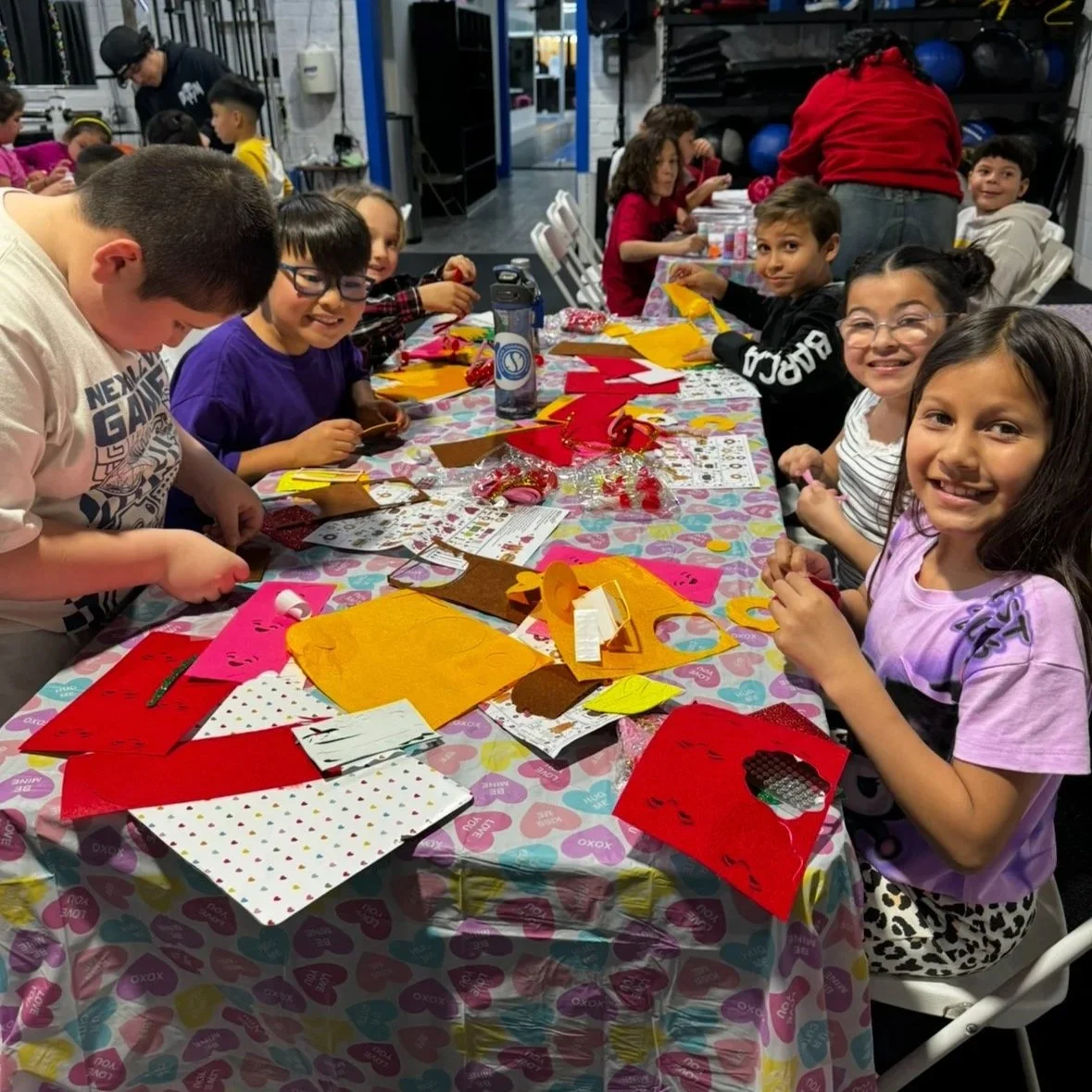
Creative projects (arts, STEM, building)
Team-based challenges
Age-appropriate skill progressions
Special theme days or weekly focuses
Boredom leads to behavior issues. Engagement leads to confidence.
-
A truly great camp has room for all types of learners and personality styles.
Ask how they:
Welcome new or nervous campers
Support kids who need breaks
Help children build friendships
Communicate with parents about concerns
Adjust activities for sensory or developmental needs
Inclusivity is not optional—it should be embedded in the program culture.
-
Clear communication shows a camp is organized and parent-focused.
Expect answers to:
How will I receive updates?
What happens if my child has a tough moment?
Who do I contact during the day?
How often do staff reach out about progress or wins?
Camps that value parents build trust early.
-
Summer camp costs vary widely. Clarify what your tuition covers:
Full-day programming
Early drop-off or late pick-up
Special events
Supplies or materials
Snacks or lunches
T-shirts or gear
A transparent camp should outline exactly where fees go.
-
Encourage parents to look for camps that offer something meaningful, not just “childcare.” For example:
A focus on life skills like leadership, teamwork, sportsmanship
Programs with expert instructors, not teenage volunteers
A combination of physical + creative activities
A structure that builds confidence, resilience, and social skills
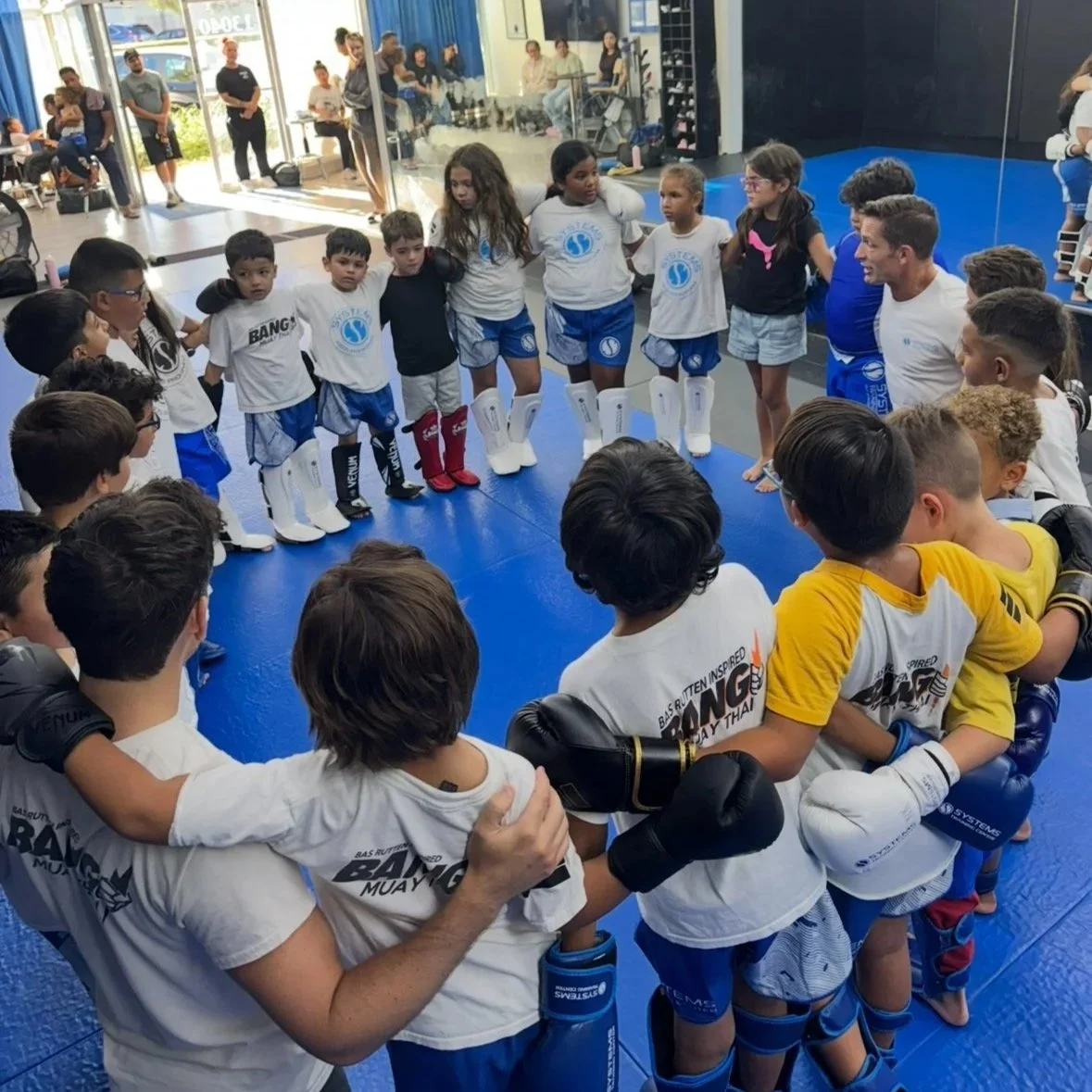
This is where Systems Training Center shines with martial arts, ninja skills, STEAM activities, and character development all woven into the day.
-
A reputable camp will have strong feedback from:
Google reviews
Local parent groups
Returning families
Video testimonials
Word-of-mouth
Look for patterns: consistent praise for safety, staff, fun, and structure is a great sign.